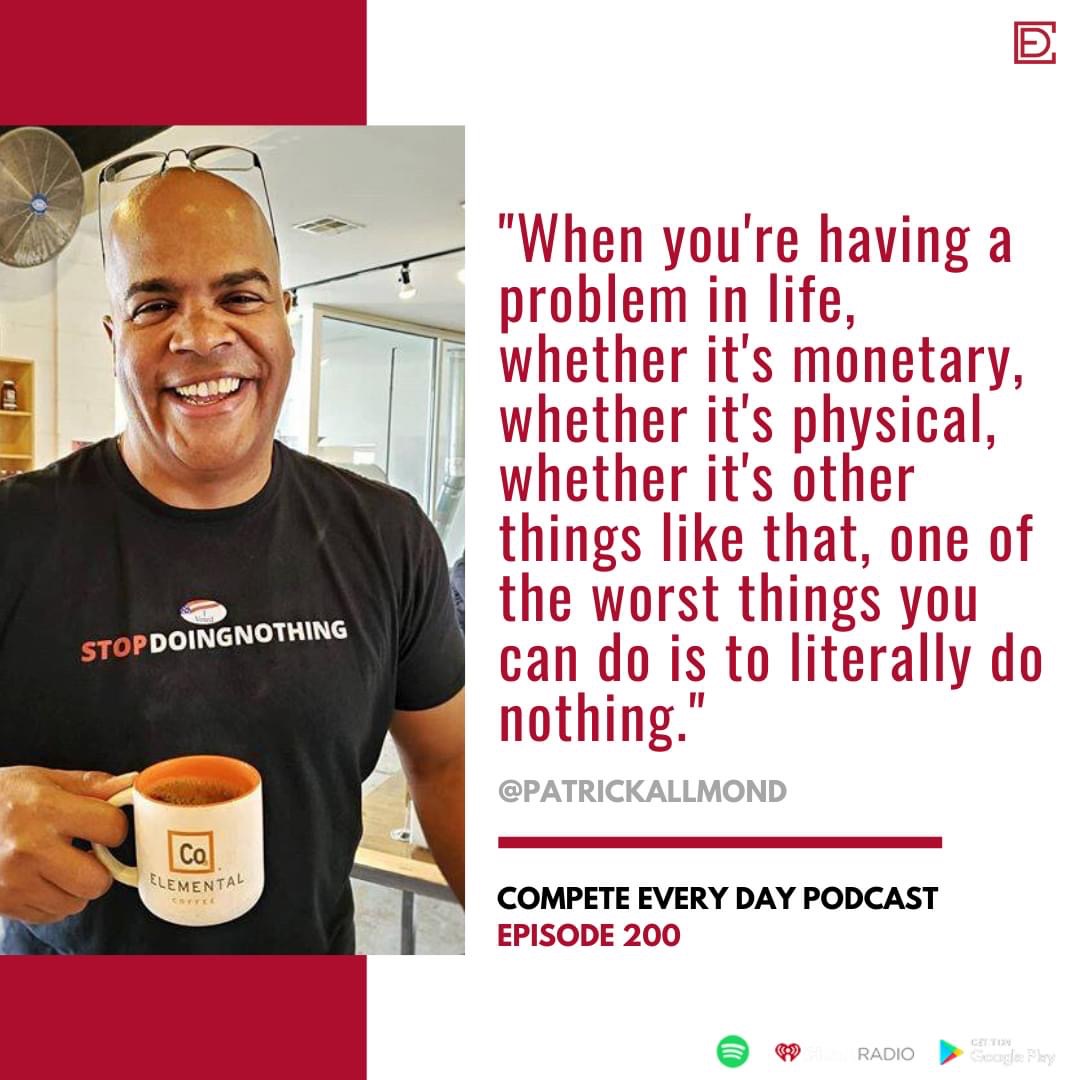
Systems Are Meant to Be Broken: The Playmaker's Guide to Harnessing Chaos
Are you waiting for the perfect moment, the flawless plan, the guaranteed win before you finally make your move? Let me ask you another way: how long are you willing to let the fear of chaos keep you cemented in mediocrity? The world is littered with the brilliant, detailed, and utterly useless plans of people who were terrified of the moment their strategy met reality. They treat a potential system failure as a catastrophic endpoint, a reason to never begin. But the Playmakers, the ones who actually shape their destinies and build empires, know the brutal, liberating truth. Systems are not meant to be permanent. They are meant to be broken. They are meant to be stress-tested, shattered, and rebuilt stronger. This isn’t about avoiding failure. This is about harnessing the raw power of chaos and making it your fuel. It's time to stop praying for things to go right and start training for the certainty of when they go wrong.
The perfect plan is a fantasy that keeps you permanently on the sidelines.
Let's demolish the biggest myth holding you hostage: the myth of the perfect system. You've been conditioned to believe that success is the result of a perfectly architected plan, executed without a single flaw. So you spend weeks, months, even years in the lab, endlessly tweaking your business model, your workout regimen, your five-year plan. You read another book, watch another webinar, and tell yourself you're being "strategic." You're not being strategic; you're hiding. You are using the quest for perfection as an excuse to avoid the messy, unpredictable, and terrifying arena of action. The perfect plan is a fantasy that keeps you permanently on the sidelines. Every moment you spend polishing a theoretical strategy is a moment you're not gathering real-world data. Playmakers understand that the most valuable intelligence comes from engagement, not observation. They launch the 80% solution and let the market, the competition, and reality itself provide the feedback needed to get to 100%. The average person waits for a green light that will never come. The Playmaker creates their own.
Every system you build has a built-in expiration date.
You need to internalize this fundamental law of progress: all systems are temporary. The economic conditions, the technological platforms, the market demands, and your own personal circumstances are in a constant state of flux. The brilliant system that works wonders today is already becoming obsolete. Every system you build has a built-in expiration date. Clinging to a failing system because it "used to work" is like trying to navigate a new city with an ancient, crumbling map. It’s not just ineffective; it's an act of self-sabotage. The average person experiences a system failure as a personal tragedy. They mourn its loss, they blame external factors, and they become paralyzed by the change. A Playmaker, however, anticipates obsolescence. They treat their systems like tools, not like sacred relics. They are constantly probing for weaknesses, looking for the next evolution, and are ready to discard a tool the moment it stops serving the mission. They are loyal to the goal, not the method.
The Playmaker's Response to Chaos
A Playmaker doesn’t just have a Plan A; they have actively war-gamed the implosion of Plan A.
If you know failure is inevitable, the only logical response is to prepare for it with aggressive intent. This is where amateurs and professionals diverge. The amateur hopes for the best. The professional plans for the worst. Enter the "pre-mortem," one of the most powerful tools in the Playmaker’s arsenal. Before you launch a project, start a business, or commit to a major goal, you gather your team and you operate from the following assumption: it has already failed spectacularly. Then, you work backward to figure out every single reason why. What broke? What did we miss? Where were we blindsided? A Playmaker doesn’t just have a Plan A; they have actively war-gamed the implosion of Plan A. This isn't about fostering negativity. It's about converting fear into a strategic weapon. By identifying potential points of failure beforehand, you can build contingencies, set up early-warning triggers, and create pre-approved responses. So when chaos inevitably strikes, you're not reacting with panic; you're executing a well-rehearsed drill.
When a system breaks, it’s giving you priceless, real-world data for the low cost of a temporary setback.
The single greatest difference between a Playmaker and the average person is their interpretation of failure. The average person sees a broken system and defaults to drama. They get angry, they blame, they complain, they wallow in frustration. Their energy is consumed by the emotional fallout of the event. The Playmaker sees the exact same broken system and asks one simple, powerful question: "What is the data telling me?" When a system breaks, it’s giving you priceless, real-world data for the low cost of a temporary setback. That ad campaign that flopped? It’s not a failure; it’s a seminar on what your market doesn't want. The product launch that fell flat? It’s not a disaster; it's a PhD-level course in positioning and messaging. Every "failure" is a tuition payment for your education in excellence. Stop reacting with emotion and start responding with analysis. Drama keeps you stuck in the past. Data is the fuel that launches you into the future, smarter and stronger than before.
Amateurs are rigid and break; Playmakers are agile and pivot.
Rigidity is the hallmark of the amateur. They build a plan and cling to it with a death grip, believing that any deviation is a sign of weakness. When their rigid system collides with the fluid reality of the world, it doesn't bend; it shatters. And their progress shatters right along with it. A Playmaker, on the other hand, cultivates agility as a core competency. They understand that the plan is just a starting point, a hypothesis to be tested. The real work is in the adaptation. Amateurs are rigid and break; Playmakers are agile and pivot. A system failure isn't a stop sign; it's a flashing arrow pointing you in a new, more informed direction. It's a signal to pivot. Think of a master strategist in any field. They don't win because their initial plan was perfect. They win because they can adapt to a chaotic, changing environment faster and more effectively than their competition. Your ability to pivot in the face of failure will determine the altitude of your success. Be like water, not like rock.
Forging an Anti-Fragile Identity
You are not your plan, you are the planner.
This is the deepest level of the Playmaker mindset, and it is the most critical. You must sever the tie between your identity and your output. The average person internalizes their system's failure. When their business fails, they believe they are a failure. When their diet fails, they are a failure. This toxic mindset makes them terrified to take risks, because a potential failure is not just a setback; it's an indictment of their self-worth. This is a trap. You are not your plan, you are the planner. Your value is not in the success of any single system, but in your innate ability to strategize, to act, to learn, and to rebuild. A Playmaker’s identity is anti-fragile. It doesn't just endure shocks; it gets stronger from them. They know that failed systems are just discarded drafts on the path to a masterpiece. Let your plans be disposable. Let your mission be indestructible. Your identity is forged in the fire of the comeback, not in the comfort of an unbroken winning streak.
In the face of uncertainty and chaos, the winning move is almost always to move.
When a system breaks down, chaos creates a vacuum. In this moment of uncertainty, most people freeze. They are trapped by "analysis paralysis," weighing endless options, terrified of making another wrong move. Their inaction is a decision in itself, a decision to cede control to circumstances. The Playmaker operates from a different code. They have a profound and aggressive bias for action. In the face of uncertainty and chaos, the winning move is almost always to move. This doesn't mean being reckless. It means taking small, intelligent, and immediate steps to generate momentum and create new data. Forward motion, any forward motion, is better than standing still. Make a call. Send an email. Test a new headline. Run a small experiment. Action is the antidote to fear and the creator of clarity. While others are waiting for the dust to settle, the Playmaker is already building the next version of reality.
Failure is nothing more than feedback in a brutally honest package.
It's time to completely reframe your relationship with failure. Stop seeing it as a punishment for your audacity. Stop seeing it as a verdict on your potential. From this moment forward, you will see failure for what it truly is. Failure is nothing more than feedback in a brutally honest package. It is the world’s most effective, unfiltered, and valuable consultant, and its advice is free. The only price is your ego. The goal is not to avoid this feedback, but to accelerate your exposure to it. The faster you can move through the cycle of "Action -> Feedback -> Adjustment," the more unstoppable you become. Create systems designed to get this feedback quickly. Launch the minimum viable product. Have the tough conversation. Test the wild idea. The average person runs from this feedback. A Playmaker hunts it down, because they know that within that brutal honesty lies the blueprint for their next victory.
Ultimately, the world doesn’t reward those who have the best plans. It rewards those who can best adapt to the chaos that shatters those plans. The average person fears this chaos. They pray for stability, they avoid risk, and when their fragile systems inevitably crumble, they are left with nothing but excuses. They become victims of circumstance. A Playmaker is different. They expect chaos. They welcome it. They see a system failure not as an endpoint, but as a graduation. It is a sign they have pushed the boundaries, learned a vital lesson, and are now ready to build something better. They don't make excuses; they make adjustments. They don't get broken by failure; they get stronger. This is the choice in front of you. Will you be defined by your setbacks, or will you be defined by your response to them? The choice to become a Playmaker is yours, and it starts now. For more weekly learning that will help you excel, subscribe to the YouTube channel. And as you plot your success journey, visit https://stopdoingnothing.com for more learning and training to accelerate your growth.